 Speak to a HiFi Guide • 1-888-326-7490 • Mon-Fri • 8am to 5pm MDT

When to Upgrade Audio Cables: A Guide to Hi-Fi System Refinement

Among audiophiles, few topics spark a debate quite like cables. I grew up in the middle of it; my Dad was a staunch skeptic who never really bought into their transformative power. For a long time, I followed suit. But after years of experimenting with different brands, diving into the technical weeds, and—most importantly—simply listening, my perspective shifted.
I’ve come to realize that if you treat a cable as a legitimate component, the improvement you hear can be a component-level upgrade. The fact is, the research and budget you put in is exactly what you’ll get out.
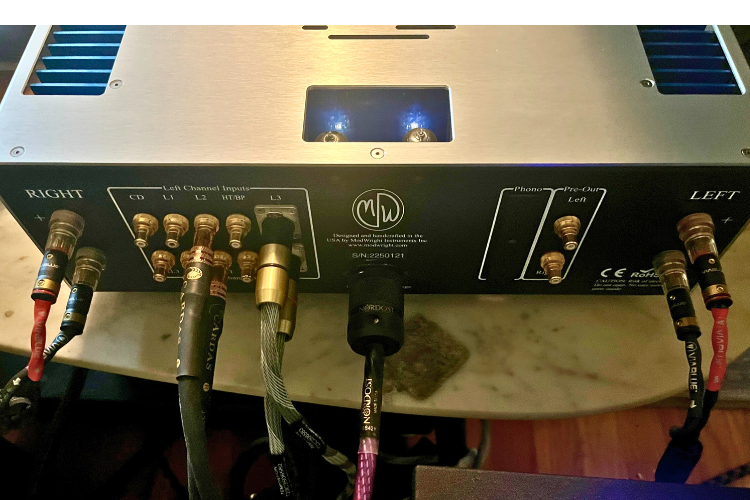
The truth, as usual in audio, lives somewhere in the middle. Some listeners swear by them, while others dismiss them outright. My experience has taught me that cables won't magically transform entry-level gear into a reference system, nor will they fix a setup that’s fundamentally broken.
But in a system that is already balanced and resolving, the right cables do something special: they refine the connection. They are often the final key to moving past "listening to a recording" and feeling like you are truly in the room with the artist.
The real question isn’t whether cables matter. They absolutely do.
It’s when they start to matter.
Over time, working with different systems and setups, a pattern becomes clear. There’s usually a point where a system crosses a threshold, where the fundamentals are dialed in, and smaller refinements begin to reveal themselves.
If you’re wondering whether your system has reached that point, here are the signs most experienced listeners recognize.
Why Your Hi-Fi Components Must Be Balanced Before Upgrading Cables
Before cables become meaningful upgrades, the main pieces of the system need to be doing their job.
That means:
- a stable source
- a capable amplifier
- speakers that can resolve detail without strain
Cables can't fix underlying system issues. A brighter cable won't compensate for dull speakers, nor will a warmer cable temper an aggressive amplifier. Furthermore, no silver coaxial cable can correct data errors (the 1s and 0s) missed by your streamer. If components are struggling, cables are not the solution.
But once the system is fundamentally right, cables can begin to refine how everything connects and communicates.
This is where they start to matter.
How System Noise Floor Impacts Cable Performance
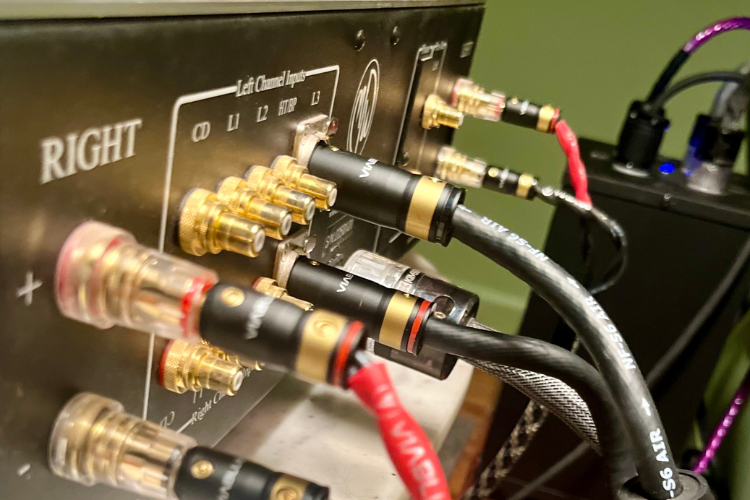
One of the biggest factors in hearing cable differences is the noise floor of the system.
When background noise drops, subtle details become easier to perceive. Reverb trails, ambient cues, and microdynamics start to emerge more clearly.
In a noisier system, those details are already masked. Changing cables in that environment is like adjusting the lighting in a room that is still filled with haze. One of the easiest ways to tell if your noise floor is low enough to justify a cable upgrade is to simply listen to the space between the notes. If the silences feel like true spaces—no noise, just black space—and the decay of notes (like from cymbals) decays naturally, your system is ready for the refinements that high-end audio cables can bring.
But once the system quiets down, differences between cable designs become easier to hear.
This is one reason brands like Synergistic Research, Nordost, VIAblue, and Audience focus heavily on shielding and/or noise rejection.
Lower noise levels enable the signal to be transmitted cleanly, free from additional interference along its path.
Improving Soundstage and Imaging with High-End Audio Cables
Cables don’t create soundstage out of thin air. But in a system that already images well, they can refine it.
This tends to show up as:
- more stable placement of instruments
- clearer separation between layers
- a stronger sense of depth
The change isn’t about making everything bigger. It’s about making everything more defined and believable.
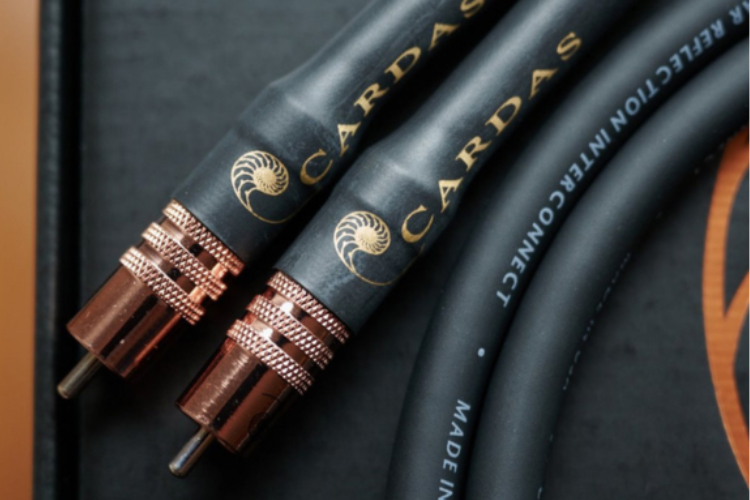
This is where different cable approaches — like those from Kimber Kable or Cardas — can subtly shift how a system presents space.
The Difference Between Fixing a Hi-Fi System and Refining It with Cables
A good rule:
If you’re trying to fix a problem, cables probably aren’t the answer.
If your system sounds thin, harsh, or muddy, the issue is almost always somewhere else.
Cables come into play when the system already sounds good, and you’re chasing refinement.
At that point, improvements show up as:
- smoother high frequencies
- more natural decay
- better separation in complex passages
- more controlled and articulate bass
These aren’t dramatic changes. They’re cumulative improvements that make the system feel more composed and effortless.
Identifying Your System’s Tonal Balance Before Choosing Cables
One of the clearest signs you’re ready for cable upgrades is simple:
You understand how your system sounds.
If you can describe it — slightly warm, very neutral, forward, relaxed — you’re in a position to make meaningful refinements.
At that point, cables stop being guesswork. They become a way to fine-tune a presentation you already know well.
This is why cable upgrades tend to come later. It takes time to really understand a system.
System Resolution: How to Tell if Your Setup Can Reveal Cable Differences
Another signal: smaller changes elsewhere are already noticeable.
Things like:
- swapping a cartridge
- adjusting speaker placement
- improving isolation or power
If those changes are easy to hear, your system likely has enough resolution to reveal what cables are doing as well.
This often happens after a source upgrade — a better DAC, a stronger phono stage, or a more capable turntable. Once the source improves, everything downstream becomes more transparent.
And that’s when cables start to show their hand.
Achieving System Synergy: Matching Cables to Your Audio Components
At a certain point, upgrading becomes less about individual components and more about how everything works together.
That’s where cables live.
Different designs emphasize different things:
- speed and clarity
- tonal density and body
- noise reduction and control
There isn’t a universally “best” option. The right choice depends entirely on the system.
A cable that sounds incredible in one setup might feel off in another. That’s why experienced listeners often experiment — not to chase specs, but to find balance.
Why Cables Feel Like the Final Step
Cables are rarely the first upgrade that makes sense. With so many types, constructions, and materials, the topic itself can be overwhelming. If you want to learn more, check out the Guide to Understanding Audio Cables: Myths, Materials & Choosing the Right Ones.
However, cables often become the last meaningful step in refining a system.
They generally won't transform a setup overnight, although I have absolutely had that experience with certain cables. Instead, they remove small bottlenecks, allowing the rest of the system to perform more freely.
At first, the difference can seem subtle. But over time, those small improvements truly add up: you end up with a system that feels more relaxed, more coherent, and easier to listen to for hours on end.
Final Thoughts
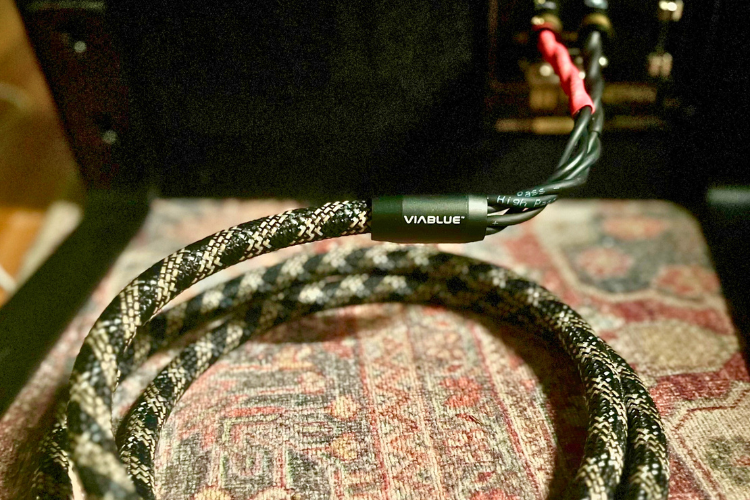
Cables occupy a unique place in the hi-fi journey. They aren’t about fixing problems or chasing hype. They’re meant for refinement — the final 5-10%, a layer of tuning once everything else is working the way it should.
For some systems, that moment comes quickly. For others, it takes time. It took me years of listening to really hone my ears, learn what to listen for, and feel comfortable making changes.
But when you reach the point where small changes become meaningful, cables naturally become part of the conversation.
And more often than not, that’s when the system starts to feel complete.
Keep Exploring
- 7 Audio Upgrades Under $1,000 That Make More Difference Than You Expect
- Guide to Understanding Audio Cables: Myths, Materials & Choosing the Right Ones
- The Art of Making Cables With Cardas
- The Art of Making Cables with VIABLUE
Hear More. Learn More. Love Your System More.
Join thousands of music lovers who get weekly guides, expert insights, and exclusive offers from The Music Room.