 Speak to a HiFi Guide • 1-888-326-7490 • Mon-Fri • 8am to 5pm MST

The 7 Best Power Conditioners That Make a Difference

Why Power Is Often the Quiet Limiting Factor in a System
Power is easy to overlook because it’s shared by everything in the room. Every component plugs into the same wall. Every system starts from the same outlet. That sameness makes it tempting to treat power as a solved problem.
In practice, it rarely is.
Noise, current delivery, grounding behavior, and outlet interaction all shape how components behave under real musical demands. When power is handled well, the effect isn’t dramatic or showy. What you hear instead is absence: less haze, less strain, less compression when music gets complex.
Timing settles. Bass gains shape instead of weight alone. Images feel more stable. Listening sessions stretch longer without fatigue.
The seven power conditioners on this list earn their place because they consistently reduce friction in real systems. Different approaches, different priorities, but the same end result: systems that feel calmer, more coherent, and easier to live with over time.
How We Chose These Power Conditioners
This list is built from hands-on listening, long-term system exposure, and patterns we see repeat across many different setups. Each model here has shown the ability to improve noise behavior, dynamic freedom, or system stability without imposing an obvious sonic fingerprint.
These are power conditioners that:
- Lower noise floors in a way that’s audible, not theoretical
- Preserve dynamic swing rather than flattening it
- Scale as systems improve upstream and downstream
- Stay listenable across long sessions
- Hold their relevance over time rather than chasing trends
Some focus on passive filtration, others on current delivery or regeneration. None of them try to do everything at once. That clarity of intent is why they work.
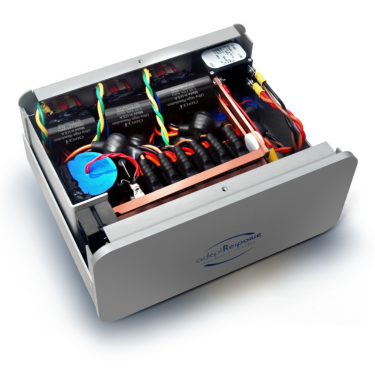
1. Audience Adept Response aR2p-T4 / aR6-T4 (Teflon Series)
Passive Conditioning That Gets Out of the Way
What Kind of Difference Does This Make?
The Audience approach focuses on removing noise without altering timing, tone, or dynamics. The result is a presentation that feels cleaner and more organized rather than brighter or more detailed. Backgrounds grow quieter, but music retains its natural flow and density.
What stands out is how consistently this effect shows up across different components. Digital sources gain clarity and focus. Analog front ends feel calmer and more stable. The change is subtle, but once heard, it’s difficult to unhear.
What Does It Ask of Your System?
Very little. These conditioners are easy to integrate and don’t require system voicing to work around them. The aR2p-T4 makes sense in smaller systems or for front-end components, while the aR6-T4 scales comfortably into more complex setups.
Who Is This Really For?
Listeners who value neutrality and want to improve system behavior without adding character. If you’re skeptical of power conditioning but curious about noise reduction done properly, this is a sensible place to start.
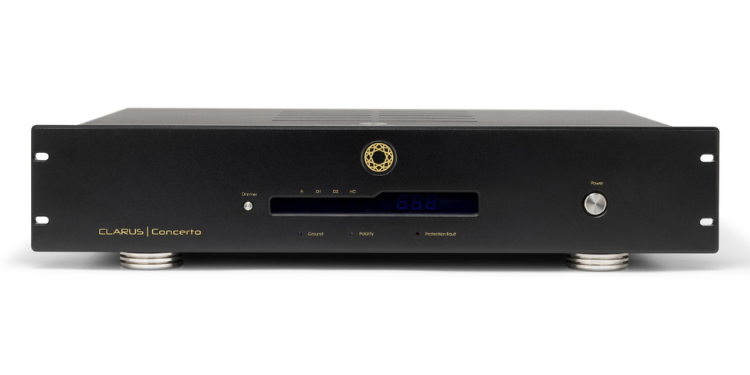
2. Clarus Concerto AC Power Line Conditioner
Lower Noise With a Natural Sense of Flow
What Kind of Difference Does This Make?
The Clarus Concerto emphasizes noise reduction and refinement. Systems sound calmer and more resolved, with improved separation and easier-to-follow textures. The presentation remains relaxed, avoiding the sharpened edges that sometimes accompany aggressive filtering.
The improvement tends to show up most clearly in midrange clarity and spatial stability, especially during longer listening sessions.
What Does It Ask of Your System?
The Concerto works best in balanced systems where tonal alignment is already in place. It rewards clean sources and thoughtful system matching, but it isn’t fussy or demanding.
Who Is This Really For?
Listeners who want refinement without sacrificing musical flow. If your system already sounds good but feels slightly busy or restless, the Clarus often helps things settle.
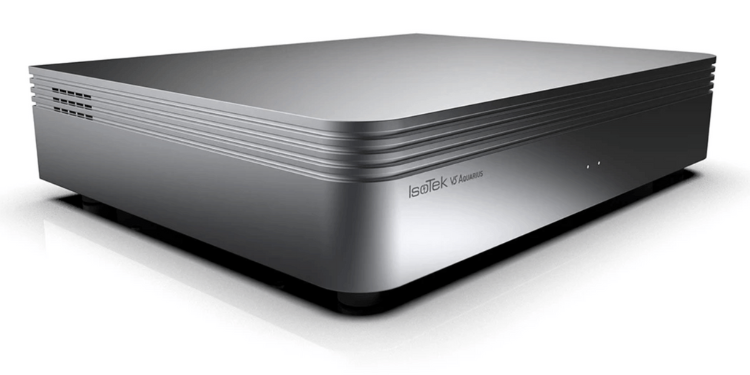
3. IsoTek Aquarius
Structured Conditioning With Broad System Appeal
What Kind of Difference Does This Make?
The Aquarius brings structure to how power is distributed across a system. Noise is reduced, but dynamics remain intact. Bass tightens, images become more stable, and complex passages feel better organized.
There’s a sense of control here that benefits both digital and analog sources without drawing attention to itself.
What Does It Ask of Your System?
The Aquarius integrates easily into a wide range of systems. It works well as a central hub and scales naturally as components improve.
Who Is This Really For?
Listeners who want a well-rounded, widely compatible power conditioner that improves clarity and composure without leaning strongly toward a particular sonic signature.
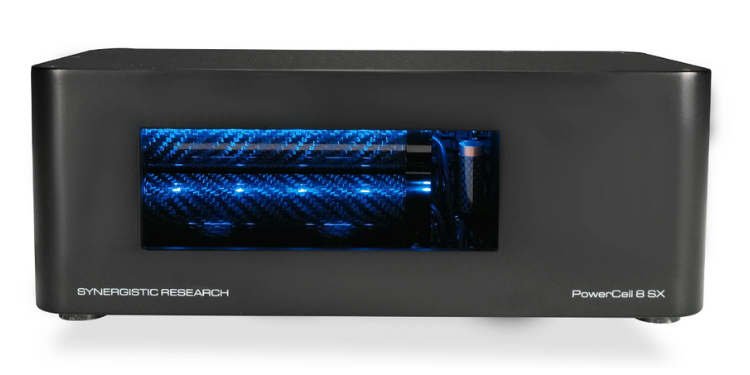
4. Synergistic Research PowerCell 8SX
Current Delivery and System Interaction Done Thoughtfully
What Kind of Difference Does This Make?
The PowerCell 8SX emphasizes current delivery and system interaction. The effect is most noticeable in dynamic expression and timing. Music feels less constrained, especially during demanding passages where lesser solutions can sound compressed.
Rather than spotlighting detail, the PowerCell helps systems breathe more freely.
What Does It Ask of Your System?
The 8SX benefits from quality components upstream and downstream. Its strengths become more obvious in systems that already resolve differences in power behavior.
Who Is This Really For?
Listeners who care about dynamics, scale, and rhythmic confidence. If your system sounds good at low levels but tightens up when pushed, this approach makes sense.
5. AudioQuest Niagara 5000 / 7000
High-Current Design With Clear Upgrade Paths
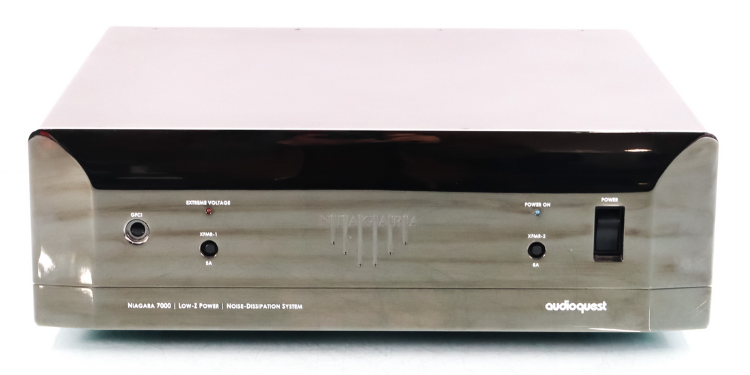
What Kind of Difference Does This Make?
The Niagara series focuses on delivering stable, unrestricted current while managing noise. Systems gain a stronger sense of control and composure, particularly in the low frequencies and during dynamic swings.
The improvement often feels physical rather than tonal: bass has more authority, and transients arrive with less effort.
What Does It Ask of Your System?
The Niagara 5000 fits comfortably into many mid-to-high-end systems, while the 7000 scales more confidently into larger or more demanding setups. Both benefit from systems that already have solid fundamentals.
Who Is This Really For?
Listeners looking for a noticeable improvement in drive and stability without moving into regeneration. If dynamics matter as much as refinement, the Niagara line is a strong fit.
6. PS Audio PowerPlant 20
Regeneration for Maximum Stability
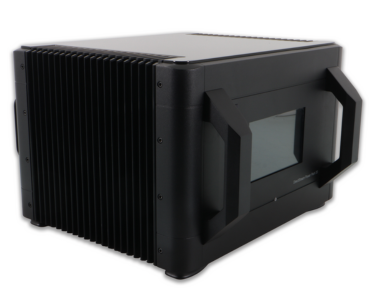
What Kind of Difference Does This Make?
The PowerPlant 20 takes a different approach by regenerating AC power rather than filtering it. The result is exceptionally stable voltage, lower noise, and improved consistency across components.
Systems often sound more composed and predictable, especially when power quality from the wall is inconsistent.
What Does It Ask of Your System?
The PowerPlant 20 makes the most sense in larger systems or environments where incoming power is clearly compromised. It requires space and thoughtful system planning.
Who Is This Really For?
Listeners who want to eliminate power variability as a factor. If consistency and control matter more than simplicity, regeneration is worth considering.
7. Shunyata Research Denali / Everest
Reference-Level Current Delivery and Scale
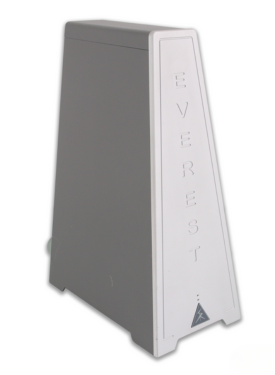
What Kind of Difference Does This Make?
Shunyata’s designs focus on current delivery and dynamic freedom. Systems gain scale, authority, and ease, particularly at realistic listening levels. The presentation feels less constrained and more continuous.
Rather than highlighting specific frequencies, the effect is one of improved coherence.
What Does It Ask of Your System?
Both the Denali and Everest are best suited to resolving systems that can take advantage of their capabilities. The Everest, in particular, shines in large, complex setups.
Who Is This Really For?
Listeners building toward reference-level performance who want power handling to keep pace with the rest of the system.
Final Thoughts: Power Is About Reducing Friction
Power conditioners tend to be described in extremes, but the reality is quieter and more practical. When power is handled well, systems feel less strained, more stable, and easier to listen to for long stretches.
Each conditioner on this list takes a different path toward that goal. Some focus on noise reduction, others on current delivery or regeneration. None of them claim to fix everything. They simply remove obstacles.
And when those obstacles are gone, the system you already own has more room to do what it was designed to do.
Keep Exploring
- Hi-Fi Power Guide: Wall Outlet vs. Power Strip vs. Conditioner vs. Regenerator
- Synergistic Research PowerCell Guide: Which Power Conditioner Is Right for You?
- Synergistic Research PowerCell 8 SX Conditioner Review & Overview
Power Conditioning. Give Your System a Steadier Foundation.
The right power conditioner helps systems play with lower noise, better stability, and less strain under real musical demands. Explore power conditioners that support clarity, dynamics, and long-term listenability.
Browse Power Conditioners