 Speak to a HiFi Guide • 1-888-326-7490 • Mon-Fri • 8am to 5pm MST

Scansonic M5 Review: A Tiny Bookshelf Speaker That Delivers Huge Value
I never know which component will find excellent synergy with my testing setup, but I usually do what I can to make sure I’m giving each piece a chance to shine.
I know some speakers aren’t their best when powered by Class D amplification, but my Class D amp has a Class A input stage, which helps tame some of that Class D-ness. Ideally, of course, well-designed speakers should be happy with any amp.
But I still hear a lot of variation from speaker to speaker when I connect them to my test rig. And, indicating I probably have a decent system set up here, well-reviewed speakers generally sound excellent right off the bat, thinking about Wilson, Sonus Faber, Dynaudio, Aerial Acoustics, etc.
The successes usually make sense, either reinforced by good reviews or, more generally, because of the price of the speaker or component I’m attaching. Much of the pricing in audio really does correlate with level of excellence.
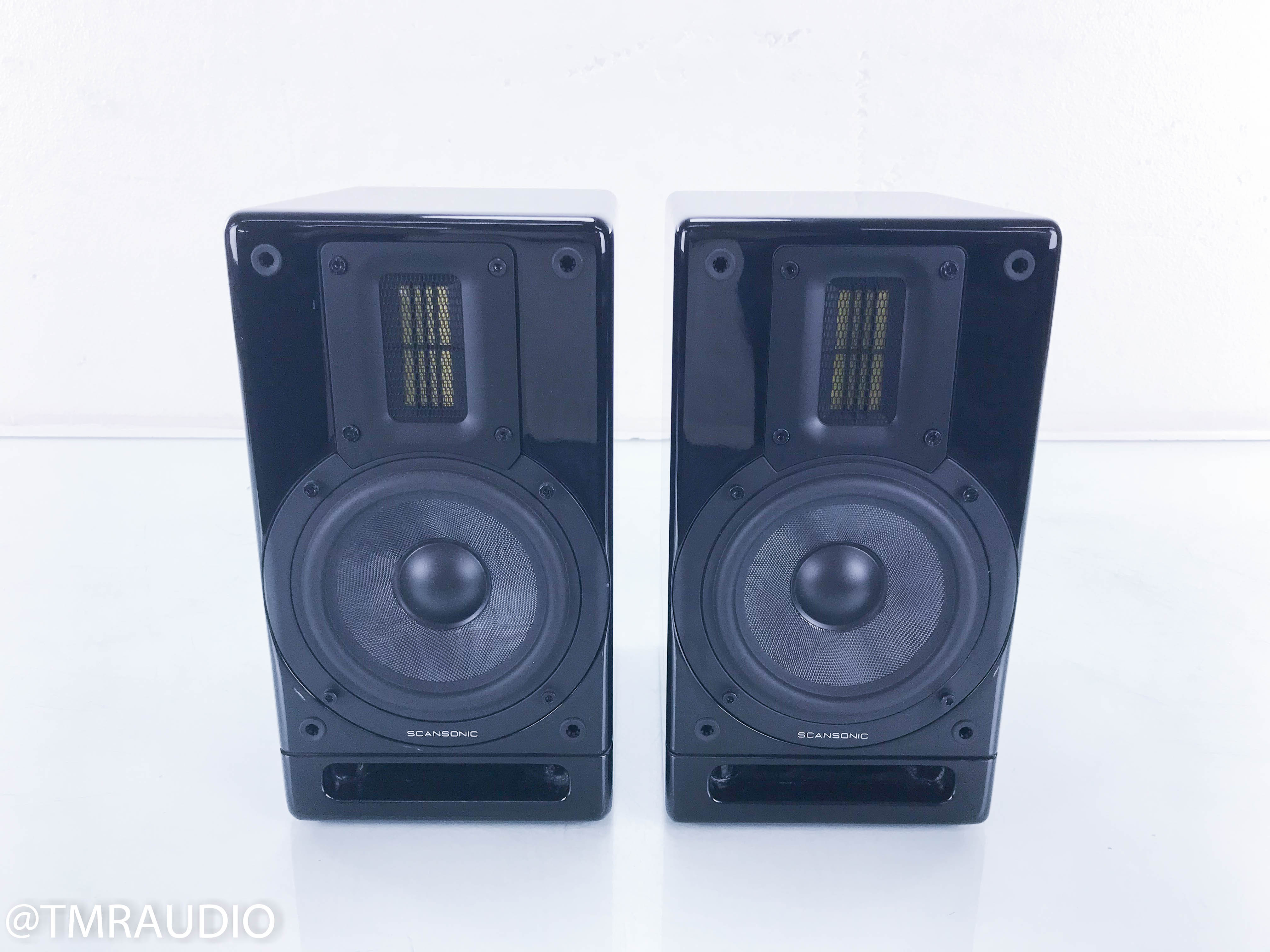
So I was a bit shocked to hear what I heard from these tiny little bookshelves, the Scansonic M5. They retail around $550, which makes them one of the best deals I’ve ever come across in audio.
Why? Because they soundstage and image better than any speaker I’ve tested this week, maybe except for the amazing PSB Imagine T3s (review to come). They render the piano better than many floor standers. They can handle any music, and really shine with “audiophile” minimal stuff like the solo cello in Nathaniel Smith’s Arrhythmia.
They’re dynamic, rendering the punch and fluidity of Derrick Hodge’s bass in his track “World Go Round,” and they’re realistic on the top end, making my coworkers think that Derrick’s finger snaps in the track are actually me back here snapping while I work.
Whatever we decide to list them for will be a stupid bargain for the beginner audiophile. Trust me on this: you can spend much more money and waste a ton of time trying to get some of what these have in spades. Color me mega-impressed.